What are customers saying?
Style State (Formerly Ajoy)
5
(23 store reviews)
Based on customer reviews and data from Google and/or its partners.
What people are saying
-
Irena Cajkic
3 months ago on Google Customer Reviews
Style State is an outstanding wholesale company! Their clothing quality is exceptional, with well-made, stylish, and unique pieces that stand out. Customer service is exemplary—always accommodating, fair, and a pleasure to deal with. Communication is effo
-
Tegan Louise
4 months ago on Google Customer Reviews
Great wholesaler, the clothes are of high quality, super fast interstate shipping and the team are super friendly and helpful.
-
Alicia D
4 months ago on Google Customer Reviews
Absolutely love the friendly service from the ladies at Style State! Their on trend pieces are absolutely gorgeous, fit beautifully and always sell so quick!! Thanks, Alicia (Berries and Blush)
-
Simone Grundy
4 months ago on Google Customer Reviews
Wear It Outt has been a wholesale customer of Style State for 6 years. The designs are on trend, beautifully made, and affordable for our customers. Styles are designed to reach a wide range of ages. The most exciting news from HQ for 2025, they are work
-
Amy Davis
5 years ago on Google Customer Reviews
Fantastic quality, fast shipping. Staff are easy to work with, quick to let you know if something is wrong with your order and with an easy solution. Love love love



Fashion Mistakes to Avoid When Buying Wholesale
Buying wholesale fashion is a smart way to start small and gain access to a wide variety of clothing options. It’s especially helpful for small boutique owners, fashion startups, and even individuals who want to build a resale business. However, there are many common mistakes business owners make when buying wholesale. Because of those mistakes, you could lose tons of money, precious time, and even your reputation if you’re reselling items.
Let's break down the biggest fashion mistakes you should avoid when buying wholesale and offer invaluable insight on how you can make smarter choices.
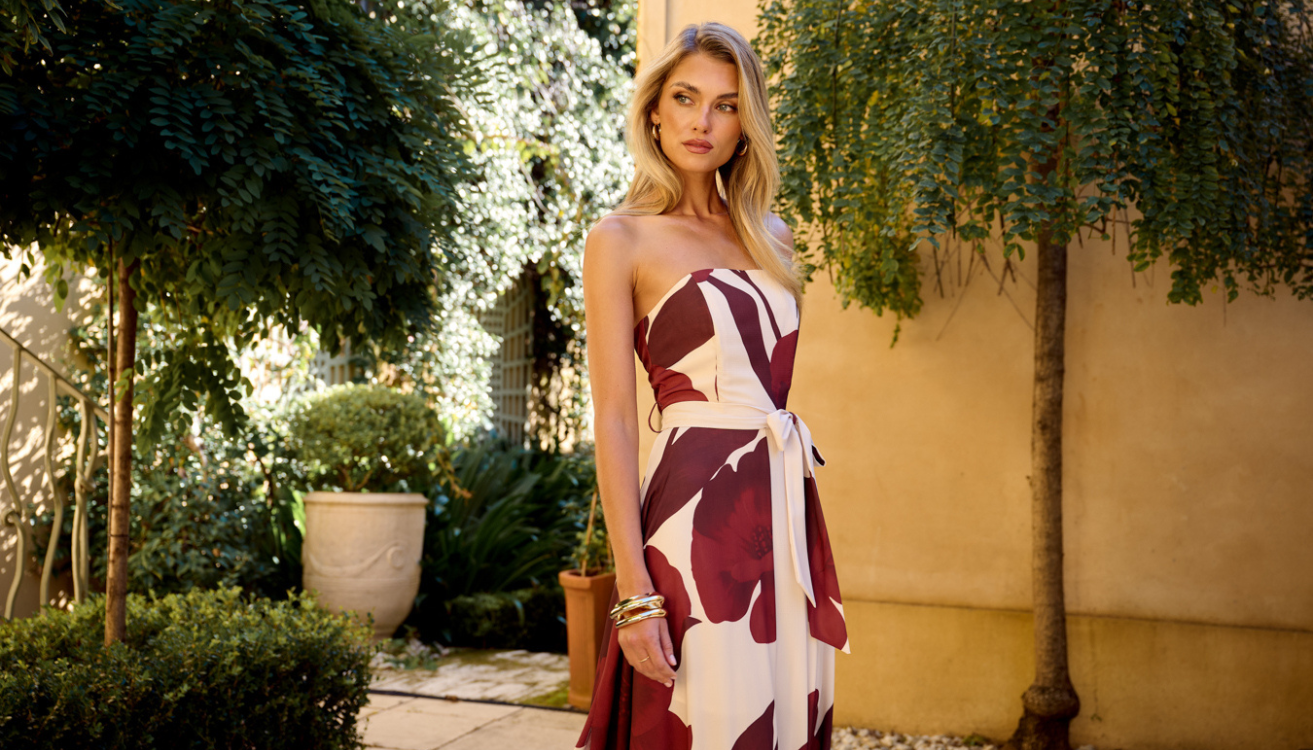
Key Takeaways
❖ You must know your target market to make the most of your sales
❖ Keep quality in mind to keep customers satisfied
❖ Think seasonally! Start planning the new season's range in advance
❖ Remember to check the size ranges and align it to your audience
❖ Always research the supplier to ensure high-quality pieces
❖ Strike a balance with trend-based pieces and timeless ones
❖ Consider shipping costs
❖ Factor in branding and packaging to make the products more appealing to customers
❖ Plan for potential returns and inspect deliveries every time
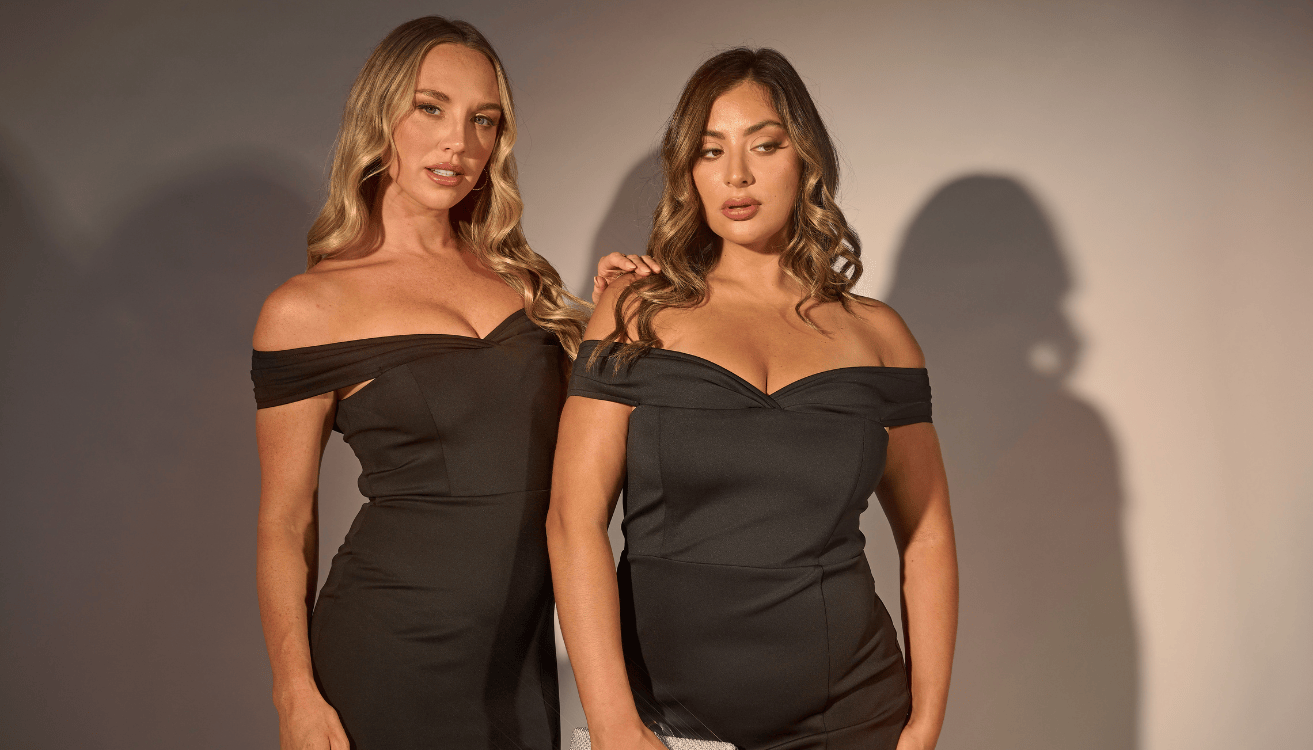
Not Knowing Your Target Market
Do you know your target market? One of the biggest mistakes you can make when buying from wholesale fashion is not knowing your target market. If you’re buying clothes for your own store, it’s important to understand who your customers are. What do they like? What’s their age group, gender, and lifestyle? Are they looking for trendy pieces, basics, or classic timeless fashion pieces? If you don’t know the answers to these questions, you might end up with clothes that don’t sell. Imagine buying a bunch of crop tops and neon pants, only to find out that most of your customers are over 40 and prefer classic styles. Such a move could result in unsold inventory and financial losses. You should also consider the season. Avoid buying heavy winter coats in summer because they will likely sit in storage for months.
To avoid this, take time to do market research. Ask your current customers what they want, and don’t forget to look at trends on social media or fashion blogs. You can even use online tools like Google Trends to see what people are searching for. Knowing your audience helps you buy the right products at the right time, which keeps your business running smoothly.
Ignoring Quality for Quantity
Another common mistake is choosing quantity over quality. When buying wholesale, it can be tempting to go for the cheapest deal or the biggest bundle. But affordability doesn’t always mean better. If the clothes are poorly made, have bad stitching, or start falling apart after one wash, your customers won’t come back. Low-quality clothes can also hurt your brand image. People remember when they buy something that doesn’t last. They may leave bad reviews or tell their friends not to shop with you again. That’s why you should pay attention to fabric quality, stitching, and overall design before placing a big order.
One of the best ways to avoid this mistake is to take a look at samples at your wholesale supplier before placing your order. Work with suppliers that have good reviews and reputation, and do extensive fittings before production. Look out if they offer returns or exchanges in case of defects. A little extra money for better quality is usually worth it in the long run.
Ordering Too Much Too Soon
Buying wholesale usually means you’re buying in bulk, but that doesn’t mean you should go overboard. One mistake many beginners make is ordering too much stock too early. You might do that when you get excited about a new business or product and want to have lots of options. But what if the products don’t sell? What if your customers don’t like the styles or sizes you picked? Too much inventory can create storage problems and tie up your money. You could also end up stuck with outdated fashion that goes out of style before you have a chance to sell it. That’s why it’s better to start small. Order smaller amounts of different styles, test which ones sell best, and then place a larger order later.
Keeping track of your sales is also helpful. Look at what’s moving fast and what’s sitting on the shelves. That way, you can reorder the popular items and avoid wasting money on the ones that aren’t working. Buying in bulk is great for saving money, but only when you’re smart about what you’re buying and how much you really need.
Not Checking the Sizing Charts
Do fashion sizes confuse you sometimes? You’ve probably noticed that a size medium from one brand might be the same as a large in another. When buying wholesale, especially from international suppliers, not checking the sizing chart can lead to major problems. You might think you’re buying standard sizes, but when the clothes arrive, they could be too small, too big, or completely different from what you expected.
If that happens, you’ll have many unhappy customers and a high volume of returns. If you’re selling online, it can also hurt your store’s ratings and cause trust issues with future buyers. Furthermore, some people may never shop with you again if they feel the sizing is inconsistent.
Therefore, we recommend that you always check the sizing chart provided by the supplier. Measure the clothes if you get samples and compare them to your country’s standard sizes. Some sellers also include measurements for chest, waist, and length, which can be more accurate than simply specifying “S,” “M,” or “L.” Ensure the sizes ordered for your boutique match with your audience and their sizing needs. It’s also helpful to include your own size guide on your website or shop so buyers know exactly what to expect.
Another way to prevent too many sizing discrepancies is to work with a wholesale fashion supplier based where you are. Not only are their styles more catered to the market you are buying for, but their sizing tends to run in line with what your customers are used to.
Skipping the Supplier Research
Not all wholesale suppliers are created equal. Some are honest and reliable, while others might take your money and send you poor-quality goods – or nothing at all. One big mistake people make is not researching the supplier before placing a large order. If you do that, it can lead to scams, delays, or receiving clothes that don’t match what you saw in the photos. Before working with a new supplier, look for reviews and ratings to ensure a positive experience. Search for their name online and see what others are saying. Are they easy to contact? Do they respond to questions? How long do they take to ship? Do they have a return policy or guarantee? A trustworthy supplier should be open about their products and policies.
You can also look out for small MOQs before committing to a big purchase. That way, you can get a chance to test the product quality and see how reliable the company is. Use a payment method that offers buyer protection, like PayPal or a credit card, just in case something goes wrong. Doing a little extra research can save you a lot of headaches and help you build a long-term relationship with a supplier you trust.

Chasing Every Trend
Trends come and go quickly in the fashion world. One month, everyone is wearing oversized jeans, and the next, it’s all about slim-fit pants again. If you try to chase every trend, you could end up with a lot of stock that no one wants after a few weeks. Many wholesale buyers make that mistake—buying only what’s “hot” right now without thinking ahead. While it’s okay to include some trendy pieces in your collection, it’s smarter to balance them with timeless, basic items that always sell well. Think of plain T-shirts, denim jackets, neutral dresses, or classic blouses. These types of clothes may not make headlines, but they will always have customers.
Also, make sure the trend fits your brand. Just because something is popular on TikTok doesn’t mean your customers will want it. If your store usually sells business wear, then buying glittery club dresses might confuse your audience. Instead, follow trends that match your brand’s identity and customer base. It will help you build a stronger reputation and attract loyal shoppers who trust your taste.
Overlooking Shipping and Customs Costs
A common mistake when buying wholesale, especially from overseas, is overlooking shipping and customs fees. The product price may seem affordable at first, but once you factor in shipping, taxes, and import duties, it can become quite expensive. All of that will cut into your profits or force you to raise your prices, which can drive away customers. For example, ordering 100 shirts from another country might cost you $500, but shipping could add another $200, and customs fees could be an additional $150. Suddenly, you’re paying $850 for what you thought was a $500 deal. If you don’t plan for these costs, you could lose money or end up with prices that are too high to stay competitive.
To avoid this, always request a complete quote from the supplier, including shipping costs. Also, check your country’s import laws and duties. Some countries charge different rates depending on the material or the item’s value. Use a freight calculator or consult with a shipping expert if you’re unsure. It’s better to be prepared and price your products correctly from the start so you’re not hit with surprise costs later. Alternatively, you could always research and consider a supplier in your own home country to greatly reduce this cost.
Forgetting About Branding and Packaging
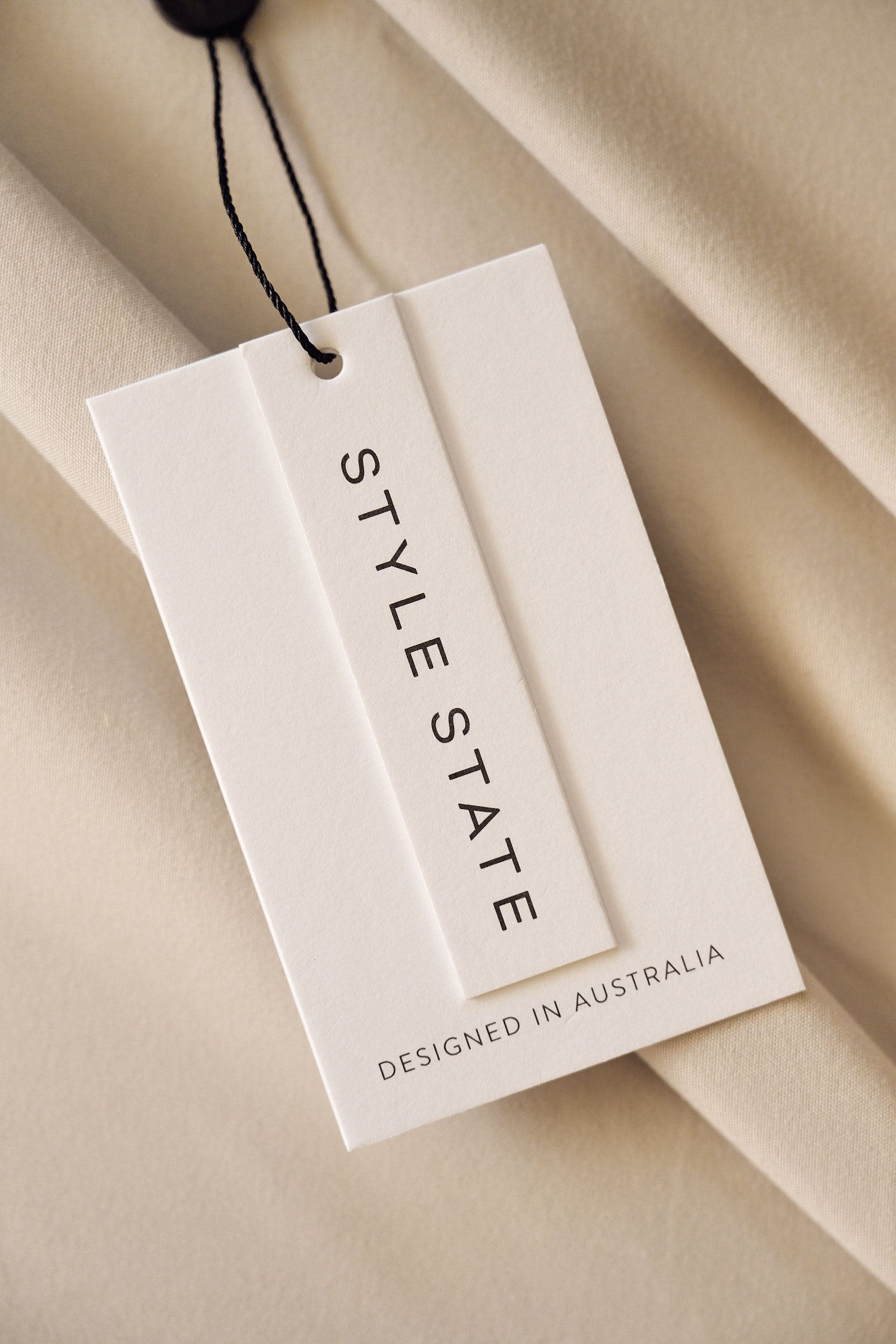
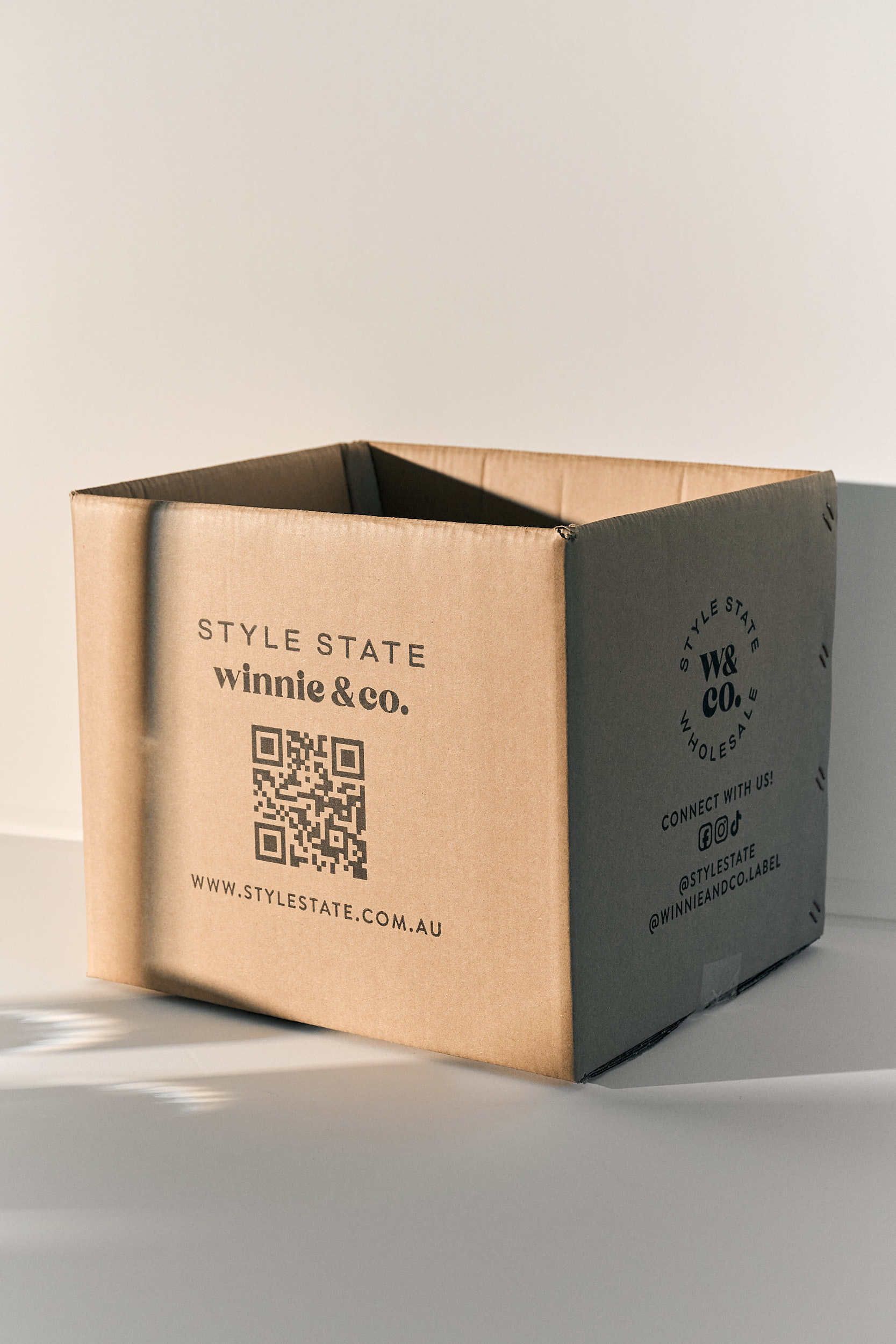
When you focus on buying clothes in bulk, it’s easy to forget about branding and packaging. But this is a mistake, especially if you’re running a business. Customers remember how your product looks and how it makes them feel. Even if you’re selling great clothes, boring or messy packaging can ruin the experience. Think about when you open a package from a brand you love. Perhaps it arrived in a cute box with a thank-you card, tissue paper, or a sticker featuring their logo. These small details help build your brand’s identity and make your store stand out from others. Wholesale items often come plain or without labels, so you need to take time to make them your own.
You can do this by adding your own tags, branding the packaging, or including a personal message in each order. If you have a website or social media, include links or discount codes to encourage repeat purchases. You don’t need to spend a fortune on it—it’s about making your brand feel professional and trustworthy. In the end, effective branding helps create loyal customers who will come back again.
Not Planning for Returns or Defects
Another mistake that you might easily make is not to plan for returns or damaged goods. No matter how careful you are, sometimes you’ll get products that are damaged, poorly made, or not as described. If you don’t have a plan for dealing with returns or defects, it can hurt your business and lead to unhappy customers. Always check your supplier’s return and refund policy before buying. Can you return items if they’re defective? Is there a deadline for returns? Will you have to pay for return shipping? Knowing the answers to these questions helps you decide whether it’s worth working with that supplier.
It’s also smart to inspect your inventory when it arrives. Open the boxes and inspect the items for quality before listing them for sale. That way, you avoid sending bad products to your customers. If you do need to handle a return, make the process transparent and fair. It will help protect your reputation and build trust with your buyers. Having a return plan doesn’t mean expecting the worst—it just means being ready, just in case.
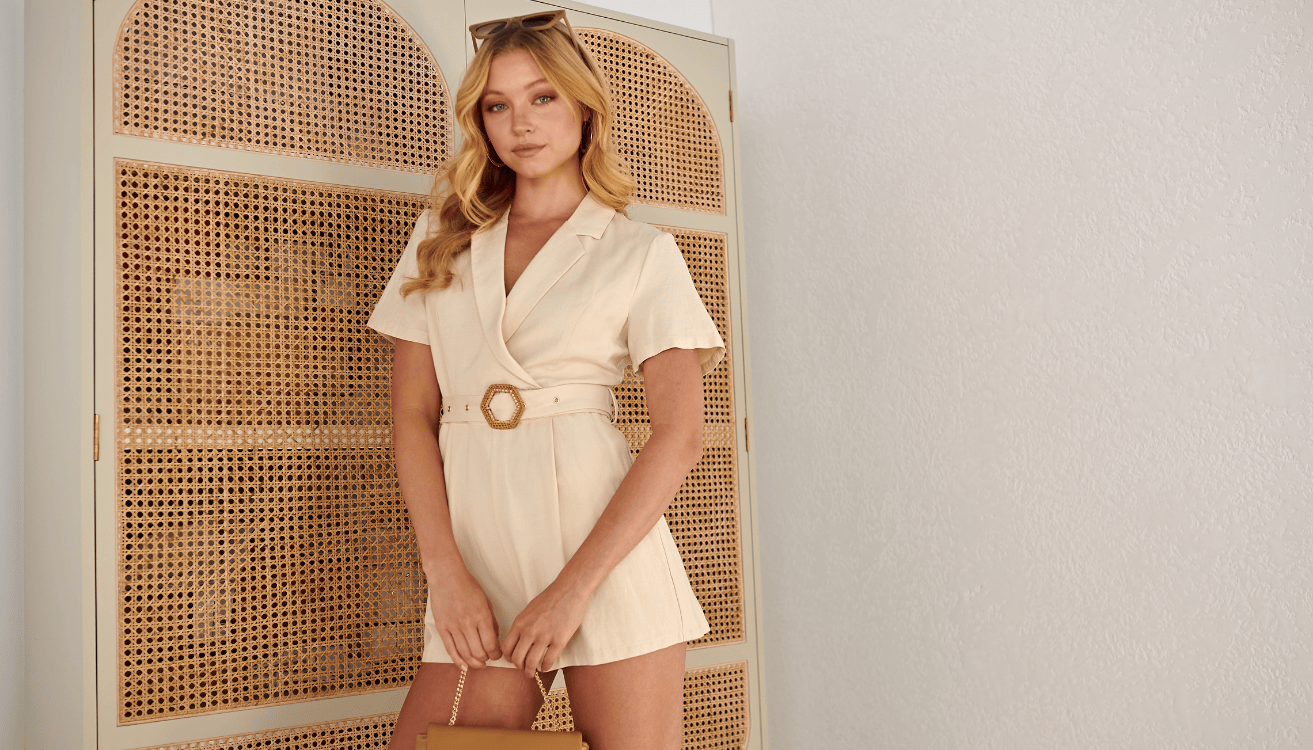
Buying wholesale fashion can be exciting and profitable, but only if you do it right. By avoiding these common mistakes—like ignoring your market, skipping quality checks, or rushing into big orders, you can save yourself a lot of stress and money. Take the time to research, test, and plan before making a purchase. With wise choices and a clear strategy, you can build a brand that stands out, keeps customers happy, and grows over time. Wholesale is just the beginning. Real success comes from what you do with it.
Continue Reading

Discover the Latest Trendy Fashion Wholesale Options in 2026

Soléa SS25: A Sun-Drenched Story in Colour and Texture ☀️

The Benefits of Sourcing Your Fashion Locally in Australia